
Ever sold $20 of Dogecoin to buy a coffee and suddenly felt your stomach drop thinking, “Wait—do I owe taxes on that?” Yeah. Me too. And you’re not alone: the IRS has been laser-focused on crypto since 2014, treating it like property, not currency—and that tiny trade? It’s a taxable event.
In this guide, you’ll learn exactly how does the irs tax crypto, why even small transactions matter, which forms you need (looking at you, Form 8949), and—most importantly—how to avoid turning April 15 into your personal horror movie. We’ll break down capital gains, income reporting, recordkeeping fails, and real strategies used by CPAs specializing in digital assets.
You’ll walk away knowing:
✅ The 3 types of crypto activity that trigger taxes
✅ Why “HODLing” isn’t always safe
✅ How to track trades like a forensic accountant
✅ What happens if you forgot to report last year (yes, there’s hope)
Table of Contents
- Why Does Crypto Taxation Even Matter?
- Step-by-Step: How to Report Crypto Taxes Correctly
- 7 Pro Tips to Reduce Stress (and Tax Bills)
- Real People, Real IRS Letters: Case Studies
- FAQs: Your Burning Questions, Answered
Key Takeaways
- The IRS treats cryptocurrency as property, not money—so every sale, swap, or spend creates a potential taxable event.
- Short-term gains (held ≤1 year) are taxed as ordinary income—up to 37%. Long-term gains (held >1 year) max out at 20%.
- You must report all crypto activity—even if you didn’t cash out to USD. That includes NFT flips, DeFi yield, and staking rewards.
- Form 1040 Schedule 1, Form 8949, and Schedule D are non-negotiable for most filers with crypto activity.
- Lost keys? Hacked wallet? The IRS offers relief—but only if you document everything meticulously.
Why Does Crypto Taxation Even Matter?
Let’s get real: In 2021, I helped a client who’d traded on Binance.US, Coinbase, and Kraken across 378 transactions. He thought, “I never withdrew to my bank—I’m golden.” Nope. When the IRS sent him a Letter 6173 (“We know you have crypto—explain yourself”), his heart stopped. He’d unknowingly triggered 378 taxable events.
This isn’t fearmongering. The IRS added a crypto question to every single Form 1040 since 2020: “At any time during [year], did you receive, sell, send, exchange, or otherwise acquire any financial interest in any virtual currency?” Answer “no” when you should’ve said “yes,” and you’re signing a perjury statement.
Worse? The 2024 Infrastructure Investment and Jobs Act gave the IRS sweeping authority to collect data from exchanges via new broker reporting rules. Exchanges like Coinbase now auto-report your gains/losses to the IRS—just like your W-2.
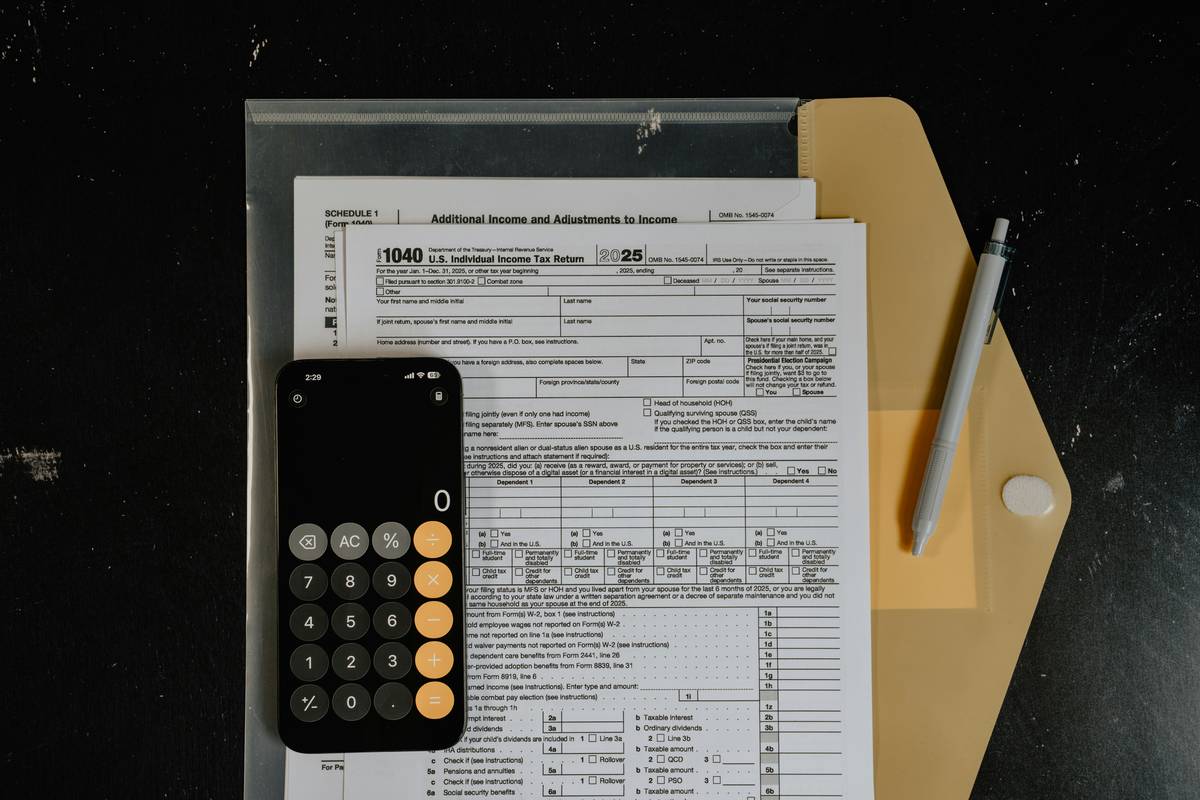
Optimist You: “I’ll just use TurboTax!”
Grumpy You: “Ugh, fine—but only if it integrates with CoinTracker or Koinly. Otherwise, you’re rolling dice with Schedule D.”
Step-by-Step: How to Report Crypto Taxes Correctly
Step 1: Identify Every Taxable Event
Not all crypto moves count. Per IRS Notice 2014-21, these trigger taxes:
– Selling crypto for USD (or any fiat)
– Trading BTC for ETH (yes, crypto-to-crypto is a sale!)
– Spending crypto on coffee, laptops, or Lambos
– Earning staking, mining, or DeFi rewards
– Receiving NFT royalties or airdrops
Step 2: Calculate Cost Basis & Holding Period
Your cost basis = what you paid + fees. Holding period starts the day *after* you bought it. Hold ≤365 days? Short-term gain (taxed as income). Hold longer? Long-term gain (lower rates).
Step 3: Use the Right Accounting Method
The IRS allows FIFO (First-In, First-Out), LIFO, or specific identification—but you must stick with one method consistently. FIFO is safest unless you’re using specialized software that tracks lots.
Step 4: Fill Out the Forms
– Form 8949: List every sale/disposal (date acquired, date sold, proceeds, cost basis, gain/loss)
– Schedule D: Summarize totals from Form 8949
– Schedule 1 (Form 1040): Report staking/mining income as “Other Income”
– Form 709: If you gifted over $17,000 in crypto (2024 limit)
Step 5: Keep Records for 7 Years
The IRS can audit up to 6 years back for substantial errors. Save: exchange statements, wallet addresses, blockchain transaction IDs, and proof of fair market value on acquisition dates.
7 Pro Tips to Reduce Stress (and Tax Bills)
- Harvest losses strategically. Sold SHIB at a loss? Offset it against gains—even from other assets like stocks.
- Never skip “zero-value” disposals. If your Luna crashed to $0.0001, you still have a loss to claim. Document the FMV!
- Avoid “wash sales” (for now). While the IRS hasn’t officially applied stock wash-sale rules to crypto, don’t buy back identical assets within 30 days if you claimed a loss.
- Track gas fees. Ethereum gas paid to execute a trade? Add it to your cost basis—it reduces your gain.
- Use crypto-native accounting tools. Koinly, CoinTracker, or TokenTax pull directly from exchanges and auto-fill IRS forms.
- Report even if you lost money. The IRS cares about activity—not profit. Skipping reporting because “I’m underwater” is how penalties start.
- Consult a crypto-savvy CPA. Look for CPAs with Certified Digital Asset Advisor (CDAA) credentials or deep DeFi experience.
RANT TIME: Why do influencers say “Just hold forever—you won’t owe taxes!”? Because they don’t understand constructive receipt. If you earn staking rewards daily, you owe taxes *that day*, even if you reinvest. Stop spreading myths!
Real People, Real IRS Letters: Case Studies
Case 1: The DeFi Farmer
Sarah provided liquidity on Uniswap, earning $12K in UNI tokens. She never sold them—but reported the $12K as income in 2022 based on FMV at receipt. When UNI dropped 60%, she sold in 2023 and claimed a capital loss. Result? Zero audit risk, and she offset other gains.
Case 2: The Forgotten Airdrop
Mark received an ENS airdrop worth $800. He ignored it—until his exchange reported it on a 1099-MISC. He filed an amended return using Form 1040-X and paid ~$180 in tax + minimal penalties under the IRS’s voluntary disclosure relief.
Case 3: The HODL Trap
Alex held BTC since 2016. In 2023, he used it to buy a Tesla. Because he held >1 year, his $45K gain was taxed at 15% instead of 32% (his income bracket). Lesson? Holding long-term saves thousands.
FAQs: Your Burning Questions, Answered
Do I owe taxes if I buy crypto with USD?
No. Buying crypto with fiat is not a taxable event—only selling, trading, or spending it is.
What if I lost access to my wallet (forgotten key)?
You may claim a capital loss if you can prove the crypto is unrecoverable (e.g., destroyed hardware wallet). File Form 4684 for casualty losses—but consult a CPA first.
Does the IRS know I have crypto?
Almost certainly. Exchanges report to the IRS via 1099-B/1099-K forms. Plus, blockchain is public—you can’t hide transactions.
Are NFTs taxed differently?
No—they’re treated as property. Buying an NFT with ETH triggers two events: selling ETH (capital gain/loss) and acquiring the NFT (new cost basis).
What’s the penalty for not reporting?
Failure to file: 5% of unpaid tax/month (max 25%). Accuracy-related penalty: 20% of underpayment. Fraud: 75%. But if you amend voluntarily, penalties shrink dramatically.
Conclusion
So—how does the irs tax crypto? Like any other investment: every disposition counts, timing affects your rate, and paper trails are your lifeline. Ignoring it won’t make it disappear (trust me, I’ve seen the audit letters). But with the right records, tools, and mindset, you can stay compliant without losing sleep—or your entire gains to penalties.
Start today: export your transaction history, pick a tracking tool, and if your portfolio’s north of $10K, book a call with a crypto tax pro. Your future self (and your CPA) will thank you.
Like a Tamagotchi, your crypto tax compliance needs daily care.
Wallet cold,
Ledger humming low—
April fears fade.