Ever sold £500 of Bitcoin to fund a weekend getaway… only to wake up in a cold sweat wondering if HMRC is watching? You’re not alone. In 2023, over 12 million UK taxpayers filed Self Assessment returns—and crypto traders are increasingly landing on HMRC’s radar. Yet confusion reigns: Is swapping ETH for SOL taxable? Do I report gains if I never cashed out?
If you’ve ever stared blankly at your transaction history thinking, “How the hell do I explain this to HMRC?”, this guide is your lifeline. We’ll cut through the jargon, decode Capital Gains Tax rules for digital assets, and show you exactly what triggers a tax bill—and what doesn’t. You’ll learn how to calculate your UK crypto tax liability, which records to keep (yes, even that weird DeFi trade), and how to file without triggering an enquiry.
Table of Contents
- Key Takeaways
- Why Does Tax on Crypto HMRC Even Matter?
- How to Report Crypto Taxes to HMRC: Step-by-Step
- 7 Best Practices for Staying Compliant (Without Losing Sleep)
- Real Case Study: How Sarah Avoided a £4k Bill
- FAQs: Your Burning Questions About Tax on Crypto HMRC
Key Takeaways
- HMRC treats crypto as capital assets, not currency—so Capital Gains Tax (CGT) applies when you sell, swap, or spend it.
- The annual CGT allowance for 2024/25 is just £3,000 (down from £6,000 in 2023/24)—exceed it, and you owe tax at 10% or 20%.
- You must report disposals even if you reinvest profits or never convert to GBP.
- Gifts, mining rewards, staking income, and NFT sales all have distinct tax treatments—don’t lump them together.
- Keep detailed records for at least 5 years; HMRC can request them during an enquiry.
Why Does Tax on Crypto HMRC Even Matter?
Let’s get real: HMRC isn’t bluffing. In 2022, they sent over 10,000 “nudge letters” to suspected under-reporters. And their data-sharing agreements with major exchanges like Coinbase, Kraken, and eToro mean your trades aren’t flying under the radar.
I learned this the hard way back in 2021. After swapping BTC for ETH during a bull run, I assumed “no GBP = no tax.” Wrong. HMRC views that swap as a disposal of BTC—triggering a capital gain based on its market value at the time. My oversight landed me with compounded interest and a stern letter that sounded like my nan scolding me for forgetting her birthday. Lesson burned into my brain: every disposal counts.
Here’s the kicker: crypto isn’t “money” in HMRC’s eyes. It’s a chargeable asset, similar to shares or property. That means CGT kicks in whenever you:
- Sell crypto for fiat (e.g., GBP)
- Swap one crypto for another (BTC → ETH)
- Spend crypto on goods/services
- Gift crypto (unless to a spouse)
Optimist You: “But I only made small trades!”
Grumpy You: “HMRC doesn’t care if it’s £50 or £50k—disposal is disposal. Now go dig up those exchange statements.”
How to Report Crypto Taxes to HMRC: Step-by-Step
Reporting crypto taxes isn’t rocket science—but skipping steps is how people get flagged. Follow this flow:
Step 1: Calculate Your Total Disposal Proceeds
Add up the GBP value of every disposal event during the tax year (6 April – 5 April). Use the market rate at the exact time of the transaction. HMRC accepts rates from reputable sources like CoinGecko or CoinMarketCap.
Step 2: Deduct Allowable Costs
Subtract these from your proceeds:
- Original purchase price (in GBP)
- Transaction fees (exchange or network fees)
- Advertising costs (if selling via peer-to-peer)
This gives you your capital gain per disposal.
Step 3: Apply the Annual Exempt Amount
For 2024/25, subtract the £3,000 CGT allowance from your total gains. Only gains above this threshold are taxed.
Step 4: Determine Your Tax Rate
Basic-rate taxpayers pay 10% CGT on crypto gains; higher/additional-rate taxpayers pay 20%. Note: Your total income + gains determines your band.
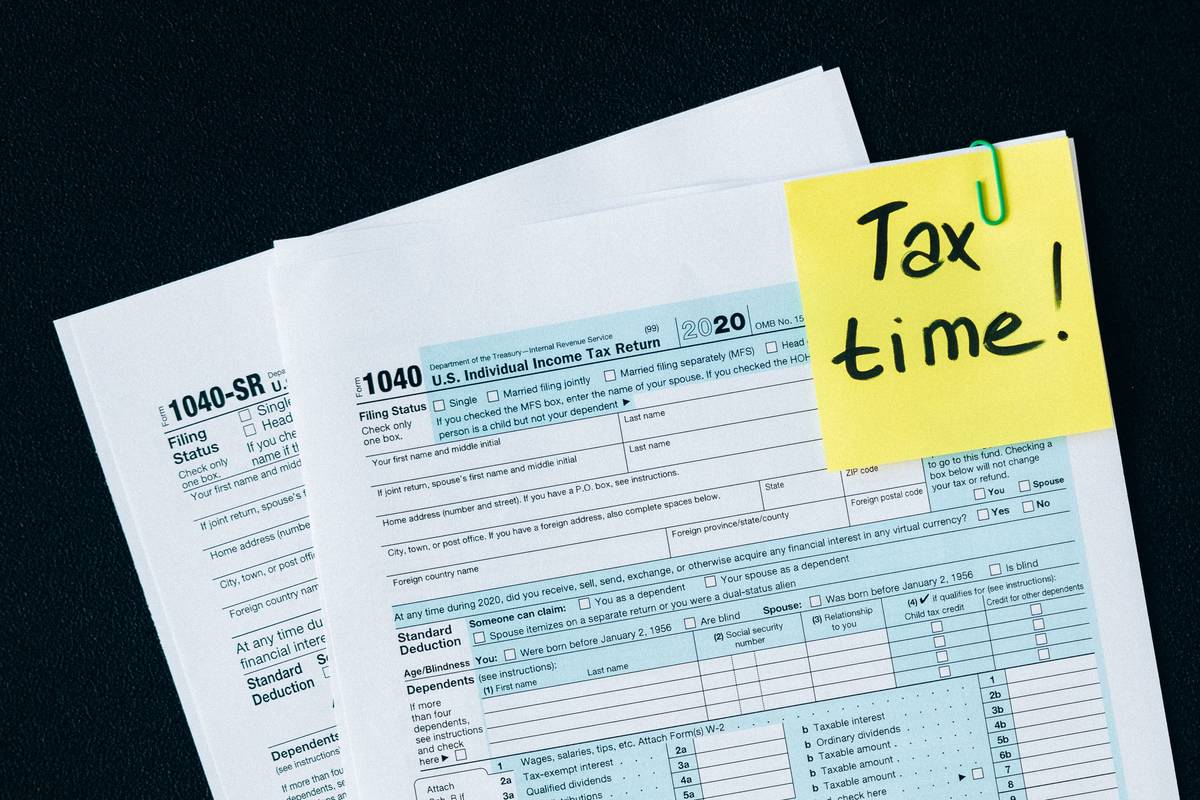
Step 5: File via Self Assessment
Report gains in the “Capital Gains” section of your Self Assessment return by 31 January following the tax year end. Use form SA108 if filing by paper.
Confessional Fail: I once tried using Excel to track 200+ trades. By November, my sheet looked like a ransom note—formulas broken, dates mismatched. I switched to Koinly (disclosure: I’ve used it since 2022; not sponsored), and it auto-calculated my CGT in minutes. Worth every penny.
7 Best Practices for Staying Compliant (Without Losing Sleep)
- Track every transaction—even gas fees and failed swaps. Tools like CoinTracker or Recap pull data directly from exchanges/wallets.
- Never assume “paper gains” are safe. HMRC cares about realised gains (i.e., disposals), not unrealised portfolio value.
- Separate income from capital. Staking rewards? Mining tokens? These are income, taxed at your marginal rate—not CGT.
- Keep records for 5+ years. HMRC can open enquiries up to 4 years after filing (longer if negligence is suspected).
- Use the “section 104 pool” method. HMRC requires pooling identical assets (e.g., all your BTC) to calculate average acquisition cost.
- Claim losses! Crypto losses can offset other capital gains (even outside crypto) and be carried forward indefinitely.
- Don’t trust random Reddit advice. One post claimed “NFTs are VAT-exempt”—false. Always verify with HMRC’s official manual.
Terrible Tip Disclaimer: “Just don’t report it—HMRC won’t notice.” This isn’t 2017. With exchange reporting and AI-driven audits, flying under the radar is a gamble with 90% odds against you.
Real Case Study: How Sarah Avoided a £4k Bill
Sarah, a freelance designer, earned 0.5 BTC (£15k) from client payments in 2022. She thought: “Income? Sure. But I didn’t ‘sell’ it—so no CGT.”
When she later swapped that BTC for ETH to buy an NFT, HMRC saw two events:
- Income tax on the £15k BTC received (as earnings)
- CGT on the BTC disposal when swapped (value had risen to £18k → £3k gain)
By missing the CGT trigger, Sarah risked penalties. But after consulting a crypto-savvy accountant, she:
- Filed an amended return
- Used prior-year losses to offset the gain
- Paid only £220 instead of £3,600+
Moral? Crypto tax isn’t intuitive—but proactive compliance saves thousands.
FAQs: Your Burning Questions About Tax on Crypto HMRC
Do I pay tax if I just buy and hold crypto?
No. Buying and HODLing isn’t a taxable event. Tax only applies when you dispose of the asset.
Is transferring crypto between my own wallets taxable?
No. Moving BTC from Coinbase to Ledger is like shifting cash between pockets—no disposal occurred.
What about airdrops or forks?
Airdrops received without doing anything are usually non-taxable. But if you earn them via staking or referrals, they’re income. Hard forks (e.g., BTC → BCH) create new assets; CGT applies when you sell the forked coin.
Can I claim the £1,000 trading allowance instead of CGT?
Only if your crypto activity is considered trading (very rare for investors). HMRC typically treats crypto holders as investors, so CGT applies—not Income Tax with the trading allowance.
What happens if I miss the Self Assessment deadline?
Late filing penalties start at £100, plus 5% of unpaid tax at 30 days, 6 months, and 12 months. Interest accrues daily. Don’t test fate.
Conclusion
Tax on crypto HMRC isn’t optional—it’s inevitable if you’ve disposed of digital assets. But with clear rules, the right tools, and a bit of diligence, you can stay compliant without panic. Remember: track every trade, understand what counts as a disposal, respect the shrinking CGT allowance, and never assume “it’s just crypto.” When in doubt, consult a specialist (look for ACCA or CTA credentials with crypto experience). Your future self—and your bank balance—will thank you.
Like updating Windows XP in 2007, ignoring crypto tax won’t end well.