
You sold some Bitcoin. Maybe you swapped ETH for SOL. Or perhaps you earned staking rewards while half-asleep. Now the IRS wants a piece—and you’re staring at a blank tax form, wondering: “reporting crypto tax how much to actually declare?” The confusion is real. One missing transaction could trigger an audit. But here’s the fix: precise tracking, strategic categorization, and knowing what the brokers won’t tell you.
Why Your Crypto Tax Reports Are Probably Incomplete
Most filers assume exchanges like Coinbase or Binance send perfect tax forms. They don’t. And even if they did—those forms often exclude DeFi swaps, cross-chain bridges, or NFT trades. The IRS treats every taxable event as property disposition. That means every swap, sale, or reward triggers potential capital gains—or income tax.
Worse? Wallet-to-wallet transfers get mislabeled as sales. Airdrops vanish from records. You think you’re compliant. You’re not.
Reporting Crypto Tax: How Much to Declare – A Step-by-Step Fix
Forget guesswork. Compliance starts with reconstruction—not reliance.
Step 1: Aggregate Every Transaction Source
Pull data from all wallets, centralized exchanges, DEXs, and DeFi protocols. Use non-custodial tools like CoinTracker or Koinly—but verify their assumptions manually. Don’t trust auto-imports blindly.
Step 2: Classify Each Event Correctly
Is it a capital gain? Ordinary income? A non-taxable transfer? The distinction changes your liability dramatically. Example: receiving $500 in UNI tokens as a liquidity mining reward = ordinary income. Selling those tokens later = short- or long-term capital gain.
Step 3: Calculate Cost Basis Accurately
FIFO (First-In, First-Out) is the IRS default—but you can elect specific identification if your records support it. This choice alone can swing your tax bill by thousands.

| Method | Accuracy | Cost | Best For |
|---|---|---|---|
| Manual Spreadsheets | Low (human error) | $0 | Simple, low-volume traders |
| Free Exchange Reports | Medium (missing off-platform activity) | $0 | Coinbase-only users |
| Paid Crypto Tax Software | High (if configured correctly) | $50–$200/year | Active traders, DeFi participants |
| CPA + Blockchain Forensic Tool | Very High | $500+ | Audits, complex portfolios |
Step 4: File Using Form 8949 and Schedule D
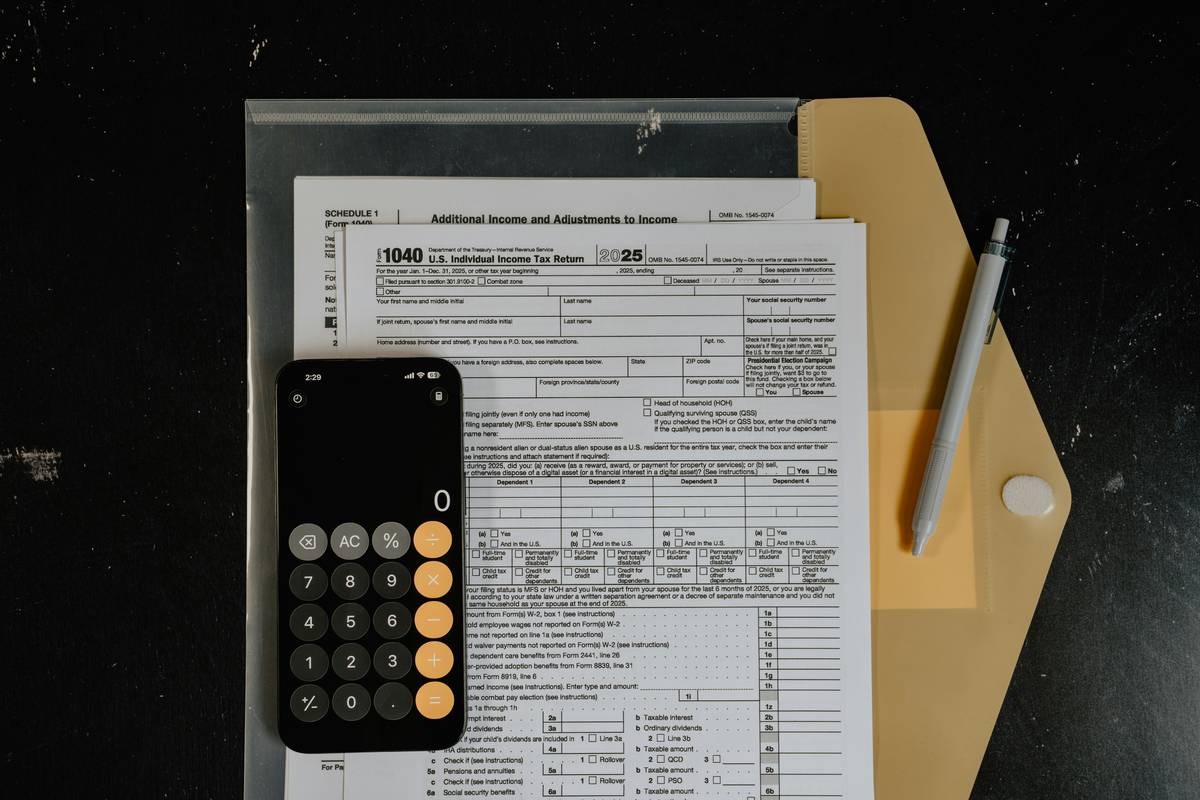
List every disposition on Form 8949. Sum totals flow to Schedule D. If you earned crypto as income (staking, mining, airdrops), report it on Schedule 1 or Schedule C—depending on whether it’s passive or business-related.
The Industry Secret: The “Wash Sale” Loophole (For Now)
Here’s what no one admits: the IRS hasn’t enforced wash sale rules on crypto—yet. In traditional stocks, selling at a loss and rebuying within 30 days disallows the deduction. But with Bitcoin? Many traders harvest losses daily without penalty. Why? Because current tax code §1091 applies only to “stocks or securities”—and crypto isn’t legally classified as either.
But—and this is critical—the SEC is pushing to label certain tokens as securities. If that happens, wash sale audits could retroactively target past filings. Smart filers document their positions now, anticipating future rule changes.
Think about it: today’s loophole might be tomorrow’s audit trigger.
Frequently Asked Questions
Do I owe tax if I just hold crypto?
No. Holding alone creates no taxable event. Tax is triggered only when you sell, trade, spend, or earn new tokens.
What if I lost money trading crypto?
You can deduct up to $3,000 in net capital losses against ordinary income. Excess losses carry forward indefinitely to offset future gains.
How much crypto do I need to report?
Every single taxable event—no matter how small. The IRS requires reporting even $1 gains. Exchanges issue Form 1099-B for proceeds over $600, but your obligation starts at $0.01.